Every move is a word
No read, no goal. Every skate and every shot starts with a word read out loud. It feels like a game because it is one.
 Home Team SmartsReading games for kids 5 to 11

Kids will do anything to score a goal. Even read.
No read, no goal.
A hockey board game for kids 5 to 11 that you print at home. Read a word to skate in, read one more to shoot. Sight words and phonics practice in about 12 minutes, with no screen.
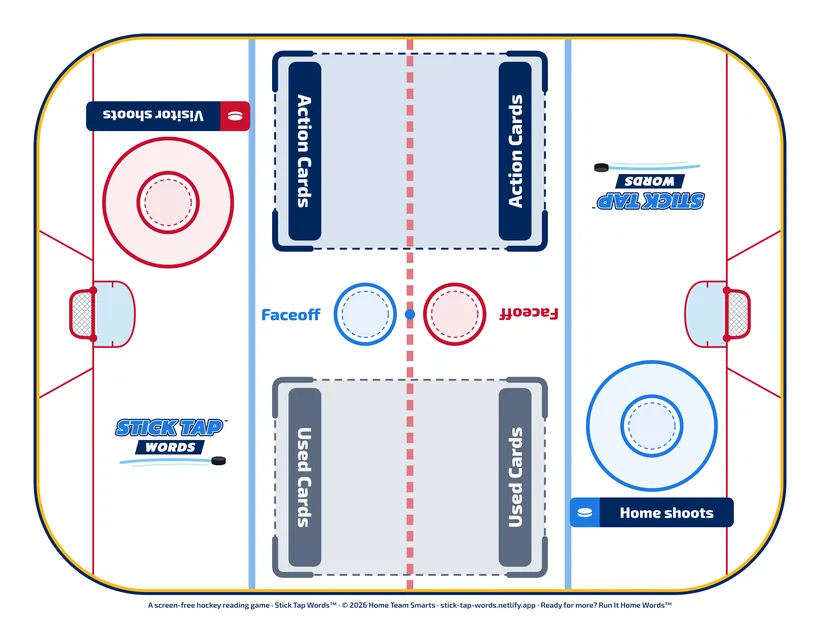
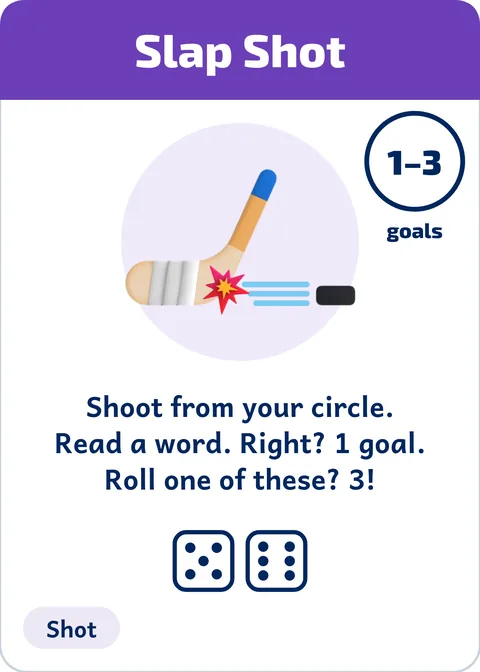
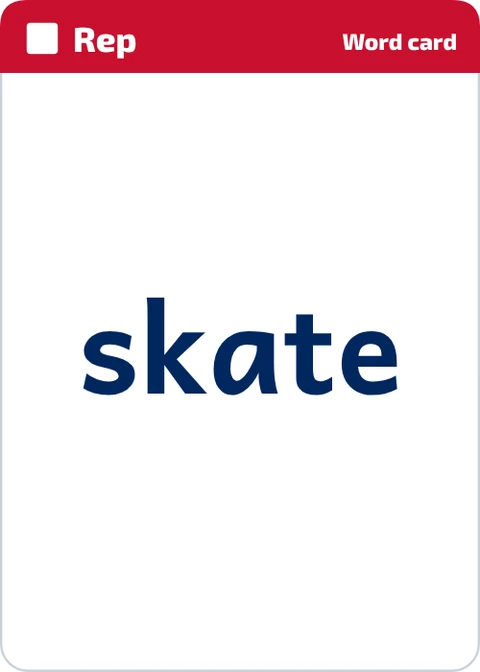
You're Home. Draw a card, read a word to skate in, then read one more to shoot. First to 3 goals wins.
Pick the deck where your reader gets about 4 out of 5 words right.
Missed a word? No problem. It goes on your Rebound tab for practice after the game, and the card you played goes on Used Cards. Missed a shot? Your chip stays in your circle, so you shoot again next turn. Breakaway shoots from anywhere, and keep an eye out for the gold card. When the Action Cards run out, most goals wins.
Rebound tab: nothing yet
The real game is played at the table with a grown-up Ref and bingo chips, and every reader gets their own word deck.
Get in close, then shoot. You’re the Ref, and the whole game happens at the kitchen table.
Real hockey. Real board game. Reading is how you score. Kids already know how board games go: draw a card, play an Action Card, move your piece, pass the turn. Add the moves of real hockey, skate in and shoot, and it feels like a game, not homework. The catch? Every move starts with a word read out loud. It’s a hockey themed activity for kids who’d rather be on the ice.
of Ontario Grade 3 students aren’t meeting the provincial reading standard.
EQAO, 2024–25of US Grade 4 students read below the basic level, the most since 2002.
Nation’s Report Card, 2024more screen time a day before age 8 was linked to a 9–10% lower chance of top reading and math scores later.
SickKids and EQAO, 2025It doesn’t have to be this way. With sound-it-out teaching and early help, only about 1 in 20 kids would fall behind, Ontario’s Right to Read inquiry found. CBC News, 2022
No read, no goal. Every skate and every shot starts with a word read out loud. It feels like a game because it is one.
No flashcards, no nagging. You hold up the word, check the back and call the goal. The Ref card helps keep games close, even between a big sibling and a little one.
A missed word isn't a failure. It goes on the Rebound tab, and you read those words together for two minutes after the game.
Each time a child sounds out a word, it gets easier to recognize the next time. Every move in this game is one more rep. Source
Each deck starts with the simplest sound patterns and builds to harder ones, the order phonics research recommends. Source
Missed words get practiced right after the game by sounding them out, which is what Ontario's Right to Read report calls for. Source
Kids pick which card to play, and real choices help keep them motivated. Every choice still needs a word read. Source
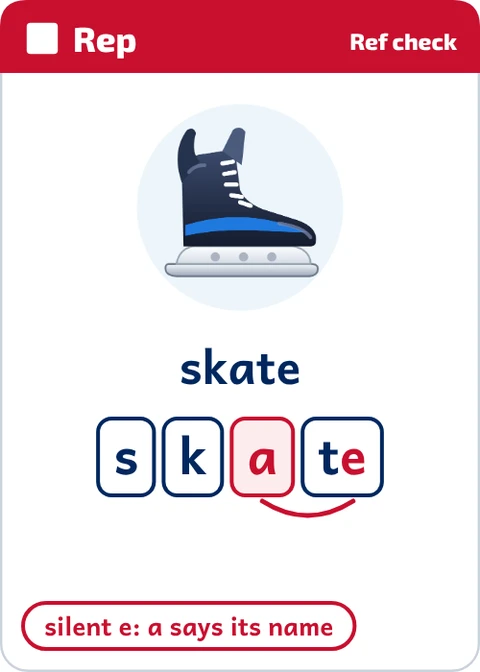
You check every answer and adjust the help to your child, using the Ref card. Source
These studies didn't test Stick Tap Words itself. Family playtests are happening now.
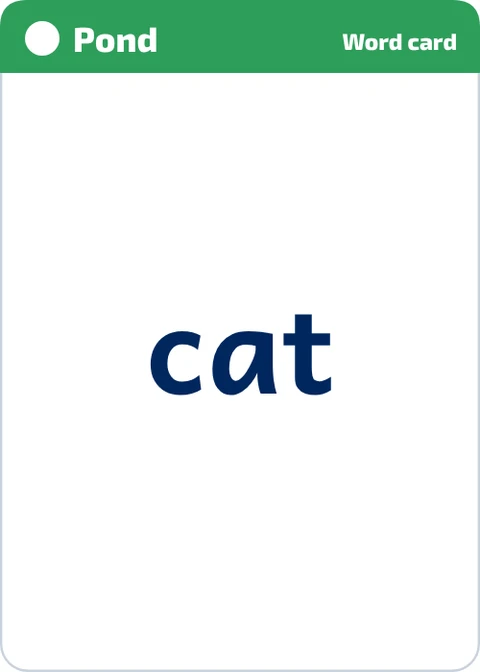
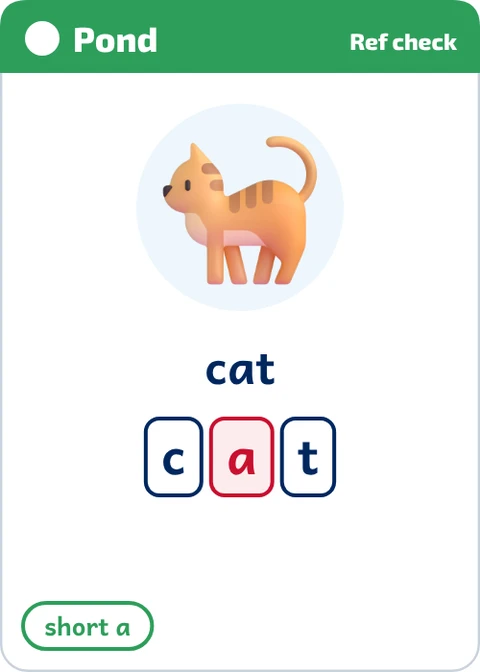
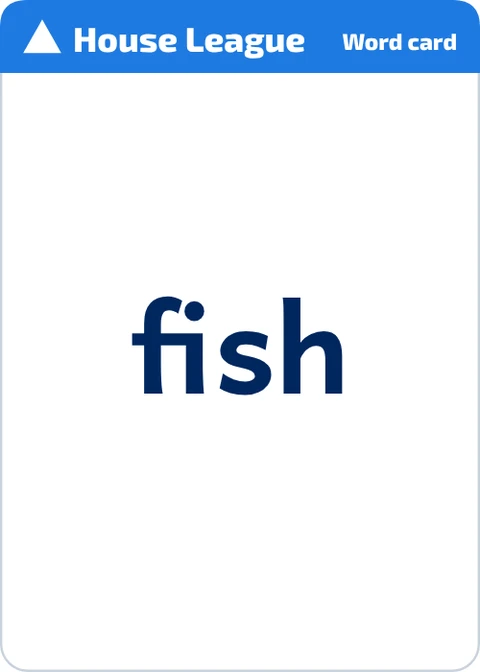
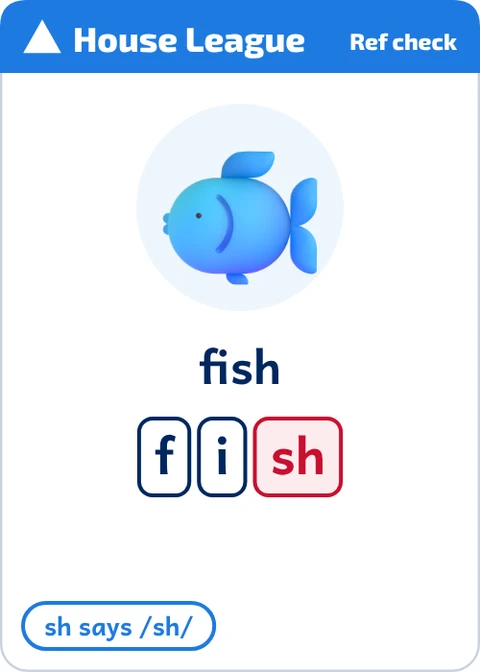
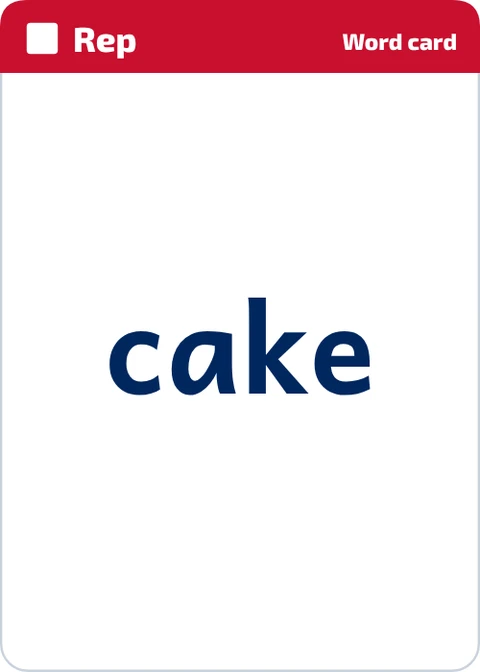
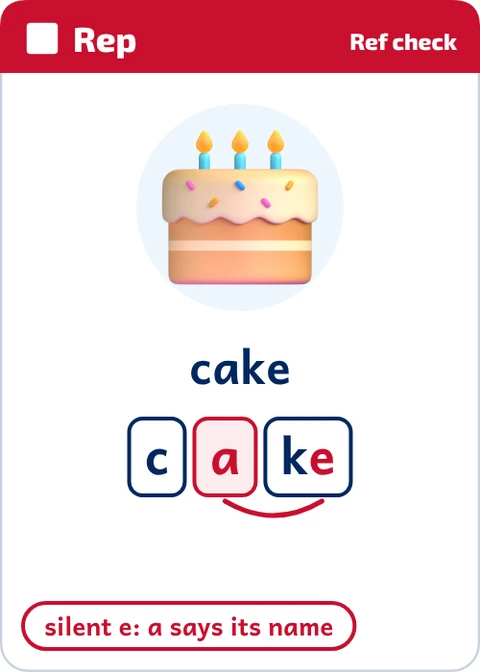
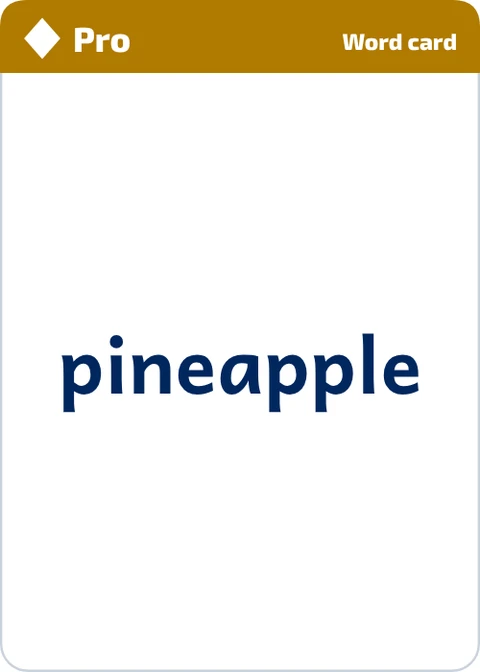
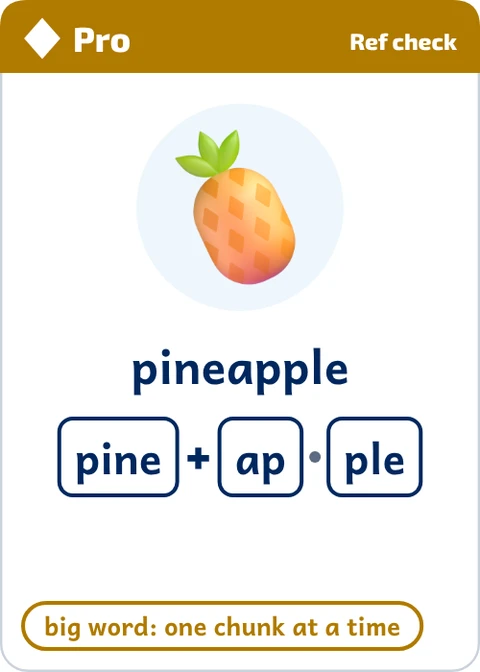
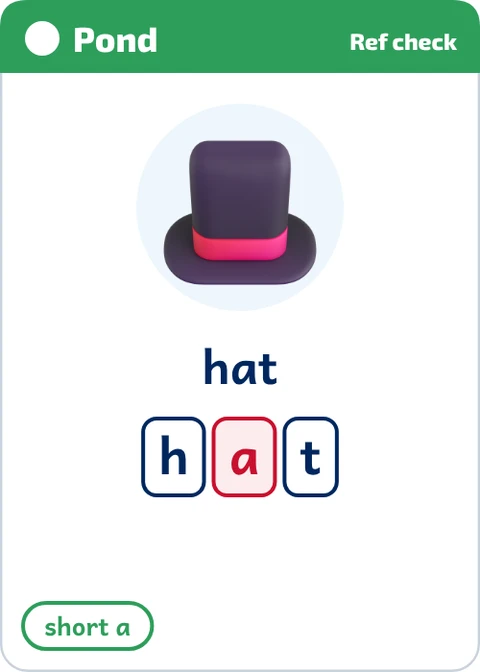
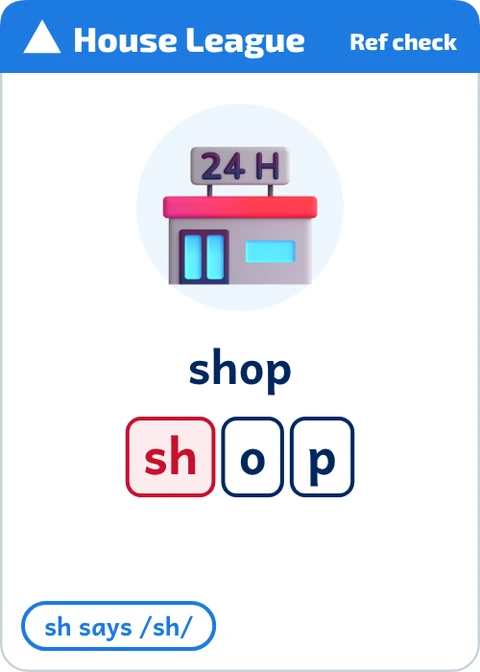
Tap a card to flip it to the Ref check side.
Canada has no national curriculum; each province sets its own. We matched the decks to Ontario’s Language Foundations Continuum, Kindergarten to Grade 4 (2026), which goes with Ontario’s Language curriculum and Kindergarten Program. In the US, we used the Common Core reading standards for foundational skills: K, Grade 1, Grade 2 and Grade 3. Some states use their own standards.
Words build in a step-by-step phonics order (CVC words, blends and digraphs, silent e, vowel teams, longer words), similar to the order used in structured literacy programs. Each sound is taught in an earlier deck before a later deck uses it. No word on the cards is spelled differently in Canada and the US.
| Deck | What it teaches | Ontario | US Common Core |
|---|---|---|---|
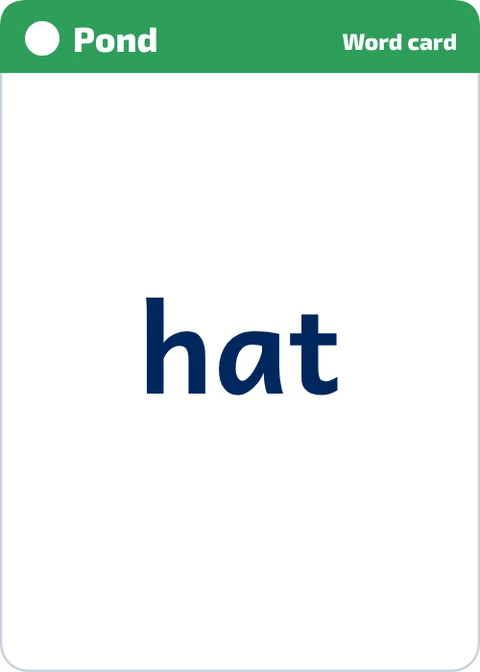
| Pond | Short vowels, first heart words, short phrases | Kindergarten | Kindergarten |
| House League | sh ch th ck, ng nk, blends, plural s, first sentences | K to Grade 1 | Grade 1 |
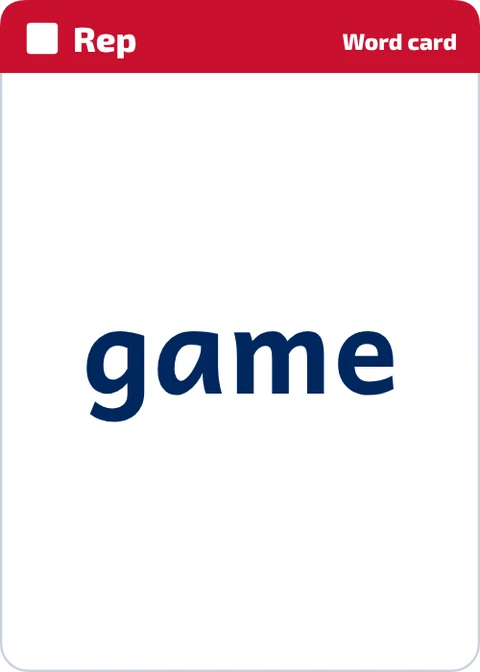
| Rep | Silent e, vowel teams, ar or ir er ur, oi oy ou ow, kn wr mb | Grade 1 | Grades 1 to 2 |
| Pro | Compound words, syllables, un- re-, -ed -ing -er -est -ly -ful -less | Grades 1 to 2 | Grades 1 to 3 |
Pick the deck by how your child reads, not by grade. Stick Tap Words isn’t reviewed or endorsed by any ministry, school board or standards group.
Four decks. Pick by reading, not by age. Start with the deck where your child gets most words right. You can switch anytime.
First words with one short vowel sound, plus a few heart words kids learn by sight.
Sample words: cat, pig, sun, the, my, a hot sun
Letter teams like sh and ch, blends like st, then first short sentences.
Sample words: ship, puck, stick, rink, flag, nest, skunk, Hit the puck!

Long vowel sounds and the tricky vowel patterns that trip kids up.
Sample words: skate, goal, snow, star, coin, knife, Skate to the goal!
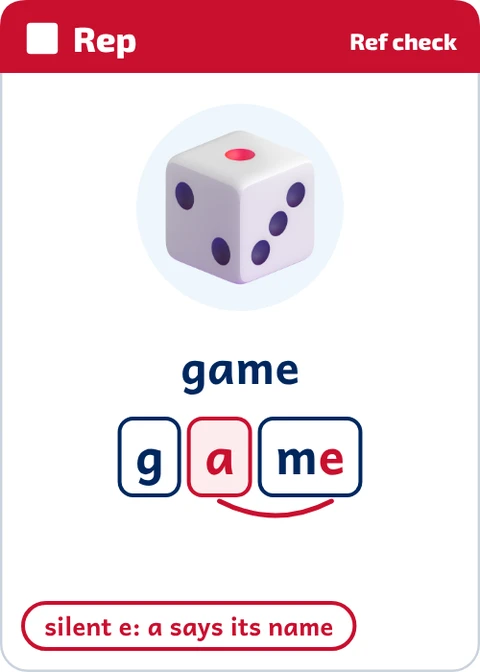
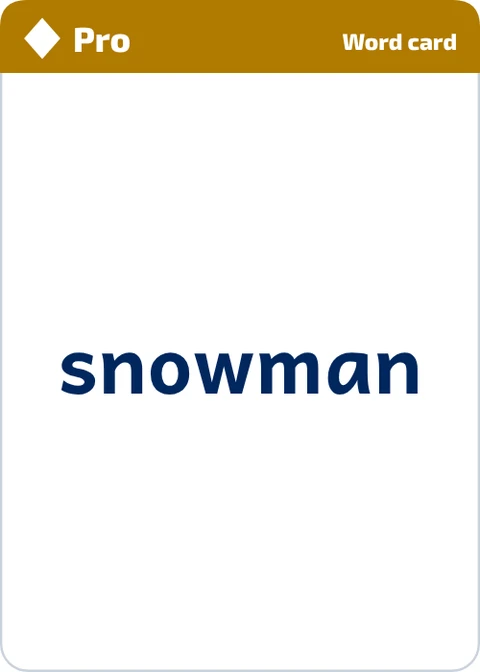
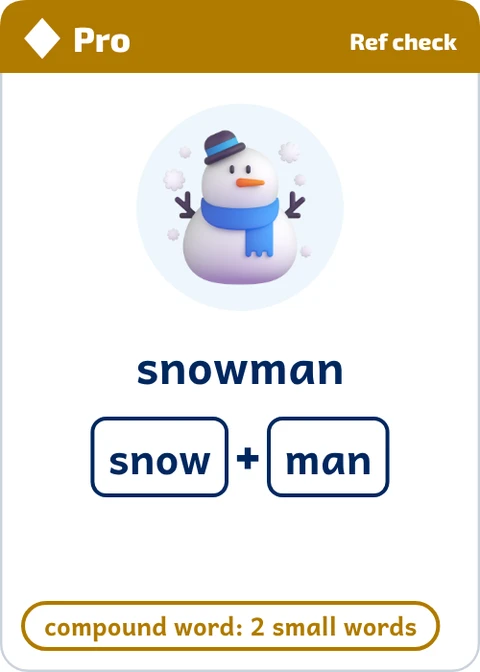
Big words, broken into syllables and word parts.
Sample words: snowman, rocket, umbrella, replay, helpful, basketball, Pass the puck quickly.
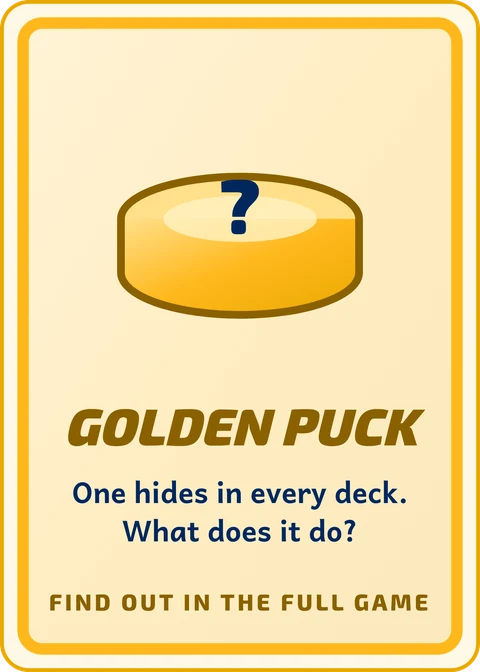
It’s called the Golden Puck. What happens when your kid reads it? You’ll find out in the full game.
Move up or down anytime. Lots of misses? Drop down a deck. Breezing through? Move up. Go by how your child reads, not by who wins.
Use this week's words from school. Every deck comes with blank cards you can write on.
Print tonight. Play after supper. It's all paper. No app, no tablet, no account. You'll need a printer, scissors, a die, and bingo chips or coins.
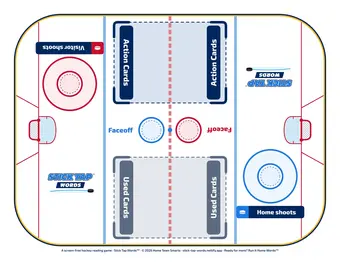
Regular letter paper, low ink: the rink, the benches, the Action Cards and the word decks.
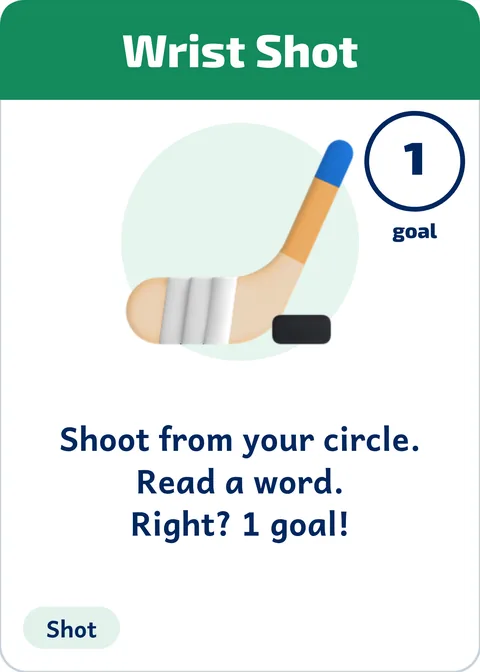
Nine cards to a page. Cut the bench sheet into a Home strip and a Visitor strip.
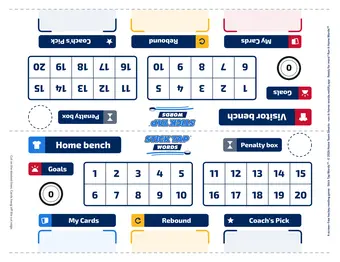
You're the Ref and hold the word cards. Bingo chips or coins are the pucks and goal markers.
Swipe to see the cards. Some stay locked until the full game.
Extras included with the kit.
Bring the game home, free. Stick Tap Words is in its playtest, and families are playing it now. I'm looking for more homes, and a few classrooms, to help shape it.
I spent nearly 10 years in post-secondary education. Then I watched my own son struggle with the usual ways kids are taught to read. He loves sports and board games, so I put the two together.
Sven, a dad and the founder of Home Team SmartsQuestions? Email sticktap@hometeamsmarts.com
Yes, and a phonics game. Most words are sound-it-out words, like the CVC words cat, hat and bag in the Pond deck, then sh, ch and th, silent e and vowel teams in later decks, with a few heart words (high frequency sight words) like the, is, to, my and we. Pick the deck where your reader gets about 4 out of 5 words right.
No. Read a word to skate in to your circle, then play a shot card and read one more word to shoot. When the Action Cards run out, most goals wins.
It goes on the Rebound tab. After the game, you sound those words out together for 2 minutes, then your kid reads each one again.
Yes. Every deck comes with blank cards for this week’s class words, the kit includes a teacher note, and teachers in the playtest can send their class word list to have their words put on the cards. It works in literacy stations for kindergarten and grade 1. The Pond deck includes common sight words (heart words): the, is, to, my, we and a. Words build in a step-by-step phonics order (CVC words, blends and digraphs, silent e, vowel teams, longer words), similar to the order used in structured literacy programs.
Nothing during the playtest. You print it at home on regular paper.
A printer, letter paper (cardstock makes sturdier cards), scissors, a die, and bingo chips or coins. No die? The kit includes one you can fold up.
Kids 5 to 11. Pick the deck by how your child reads, not their age. The four levels go from first three-letter words to big words with prefixes.
It was made for kids like yours. Every miss is a rebound, not a fail: the word goes on the Rebound tab, and you practice it together for two minutes after the game. Start with an easier deck so the wins come early. And if your child is having a tough game, the Ref card shows you how to give an extra try without making a big deal of it.
Yes, and it stays fair. Each child reads from their own deck, at their own level. The Ref card also has a simple help track: whoever lost last game gets a little extra help next game, so nobody gets blown out.
You're the Ref. You hold up each word, check the answer on the back and keep score. Want to play instead? The Ref card shows how to play against your child and keep it close.
No. It's a paper board game for the kitchen table. That's the point.
About 12 minutes. Short enough for a school night, and kids read on every single turn.
Yes. The decks follow a typical phonics order, from short vowel sounds to big words, and the blank cards let you add your class's words. The kit also includes a note you can send to your child's teacher.